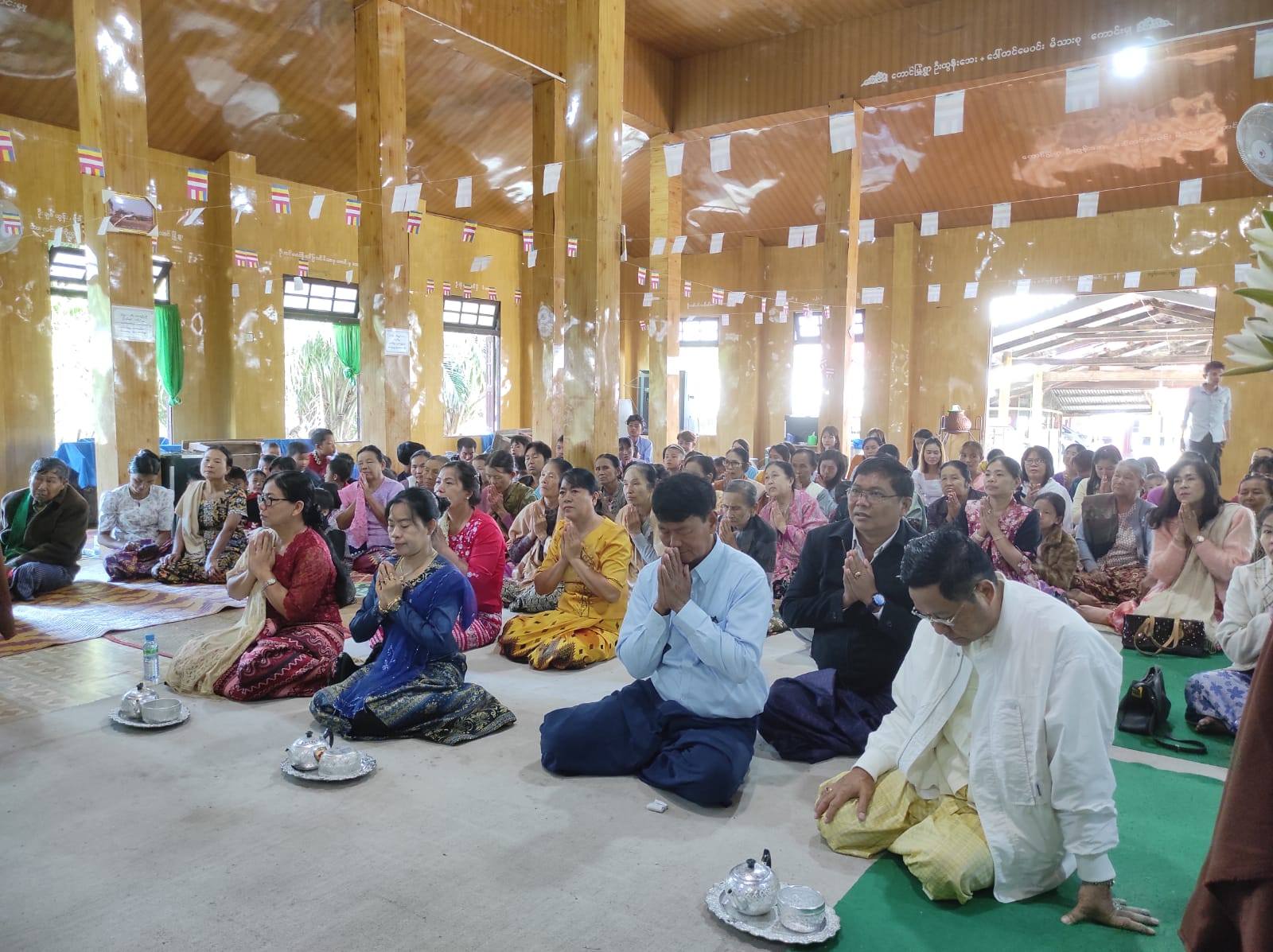
Tazaungdaing Kahtain Festival
The Tazaungdaing Kahtain Festival is one of the most meaningful religious and cultural events in
Myanmar. It is traditionally held during the Tazaungdaing season, which falls after the end of the Buddhist Lent. During this period, communities across the country actively participate in Kahtain donation ceremonies, which are dedicated to supporting the monastic community.
The core purpose of Kahtain is to offer robes and essential items to monks in a collective and time-limited ceremony. According to Buddhist tradition, this practice dates back to the time of
Gautama Buddha. Historical accounts explain that Kahtain was introduced to encourage unity among laypeople and to ensure that monks received necessary support after completing their rainy retreat.
Throughout the Tazaungdaing Kahtain Festival, monasteries and pagodas become centers of social and religious activity. Local residents organize donation teams, prepare ceremonial offerings, and coordinate logistics for the Kahtain procession. Families, youth groups, and community organizations work together to raise funds and arrange materials, reflecting a strong sense of cooperation and shared responsibility.
Beyond its religious importance, the festival also plays a significant cultural role. Tazaungdaing is widely associated with traditional lantern displays, decorative lighting, and, in some regions, hot-air balloon competitions and cultural performances. These activities create a festive atmosphere and attract visitors from neighboring towns, strengthening social ties and local tourism.
One of the most remarkable aspects of the Tazaungdaing Kahtain Festival is its ability to bring different generations together. Elderly community members often guide younger participants in traditional practices, ensuring that ceremonial knowledge and cultural values are passed on. Young people, in turn, contribute through volunteer work, organization, and creative event planning, helping the festival remain vibrant and relevant in modern society.
The Kahtain tradition also represents an important reminder of generosity, compassion, and social responsibility. Donations are not limited to religious items alone; many communities extend their charitable efforts to include food distribution, educational support, and assistance for vulnerable families. This broader interpretation of Kahtain demonstrates how religious values can be translated into meaningful social action.
In today’s rapidly changing world, the Tazaungdaing Kahtain Festival continues to serve as a powerful symbol of unity and cultural continuity. By preserving this long-standing tradition, communities reaffirm their commitment to spiritual development, mutual respect, and social harmony. The festival remains an essential part of Myanmar’s cultural identity, connecting religious devotion with everyday community life.